
How to Tell if a Tree is Dead or Just Dormant
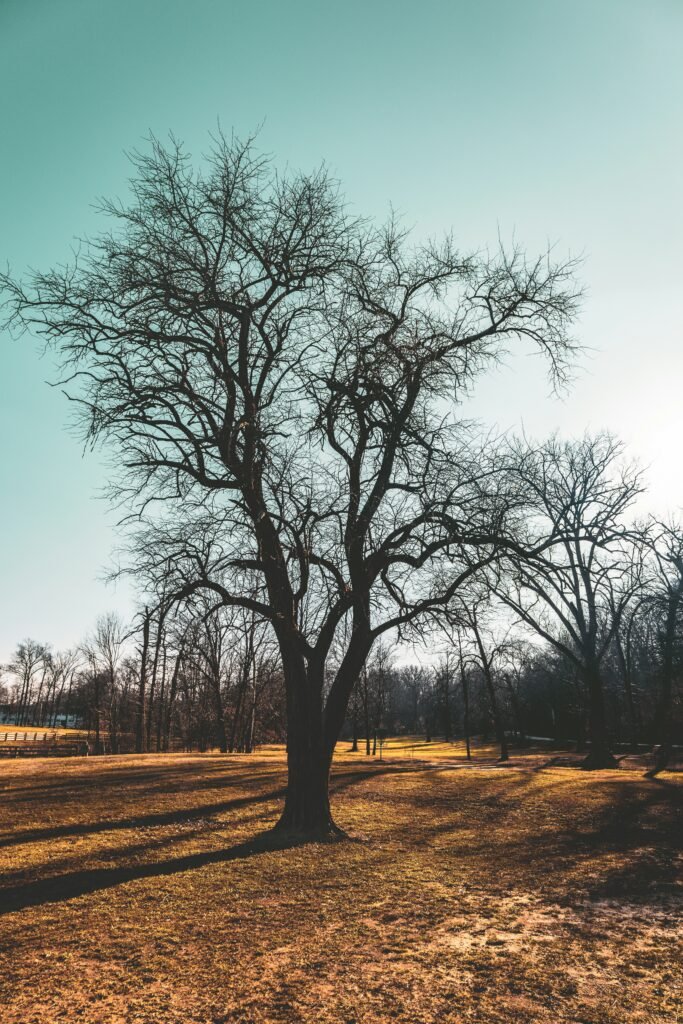
You walk outside, see bare branches, and wonder — is my tree dead or just taking a break? In Boise, where cold winters cause trees to go dormant, it’s easy to panic when your favorite maple or ash looks lifeless. Here’s how to figure it out before calling a removal service.
Is the Tree in Your Backyard Dead or Just Dormant?
It’s a common worry for Boise homeowners: a tree in your yard looks lifeless, with no leaves and brittle branches. Is it dead, or just dormant? In a city with cold winters and hot, dry summers, trees often shut down growth to survive seasonal stress. Knowing the difference can save you from removing a healthy tree—or leaving a dangerous one standing too long.
Understanding Tree Dormancy
Dormancy is a natural process where trees slow or stop growth to conserve energy during unfavorable conditions, usually winter in Boise. During this time, leaves drop, buds stay closed, and growth is minimal.
Signs of a dormant tree:
- Branches are flexible and bend without snapping
- Small buds are visible along twigs, even without leaves
- Bark color is consistent and not peeling excessively
- Healthy root flare at the base of the trunk
Dormancy is temporary, and once warmer weather arrives, a healthy dormant tree will resume growth.
Signs Your Tree May Be Dead
A dead tree isn’t just a landscaping issue—it’s a safety hazard. Dead limbs can break in wind or snow, potentially damaging property or injuring people.
Common signs of a dead tree:
- Brittle branches that snap easily
- Bark peeling off in large sections
- No visible buds in spring
- Fungus, mushrooms, or deep cracks on the trunk
- Hollow sound when tapping on the trunk
If you see more than one of these signs, especially in combination, it’s time to take action.
The Scratch Test
One of the simplest ways to check a tree’s health is the scratch test:
- Use your fingernail or a small knife to gently scrape away a small patch of bark.
- If the layer underneath is green and moist, the tree is alive.
- If it’s brown and dry, that branch is dead.
Pro tip: Test several branches—sometimes only parts of the tree are dead.
Seasonal Considerations for Boise Trees
- Late winter and early spring are the most confusing times to judge tree health, since buds may still be dormant.
- Summer is easier—lack of leaves or bare branches likely means death.
- After storms, check for damage even if the tree appears healthy.
DIY or Call a Professional?
Light inspection can be done yourself, but if you suspect the tree is dead, hire a Boise tree inspection service. Certified arborists can:
- Confirm if the tree is dead or diseased
- Identify safety risks
- Recommend trimming, treatment, or removal
This expert evaluation can save you from unnecessary removal or, conversely, from leaving a hazard standing.
FAQ – Dead vs. Dormant Trees in Boise
Q: Can a dormant tree come back to life in summer?
A: Yes, if it’s truly dormant. But if leaves don’t appear by mid-summer, it’s likely dead.
Q: How long can a tree stay dormant?
A: Most Boise trees stay dormant only through winter, but stress (like drought) can extend this period.
Q: Can dead branches be pruned without removing the whole tree?
A: Yes—if the rest of the tree is healthy. Have an arborist check for internal damage.
Final Thoughts
Knowing how to tell if a tree is dead or dormant can save you time, money, and stress. Boise’s climate makes it tricky, but with a few visual checks—and professional help when needed—you can make the right call.
And if your tree is alive but simply overgrown, proper tree trimming is the best way to encourage new growth and keep it safe from breakage. Boise homeowners often see the biggest benefits by trimming in late winter or early spring—learn more in our guide on the Best Time of Year for Tree Trimming in Boise.