
Best Time of Year for Tree Trimming in Boise
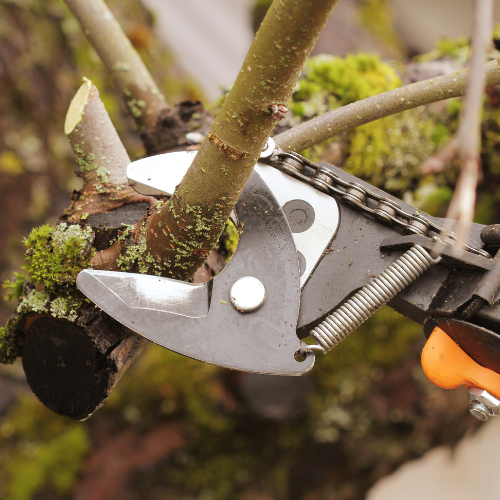
Tree trimming is more than just curb appeal—it’s a key part of maintaining safe, healthy trees that thrive in Boise’s unique four-season climate. Whether you’re dealing with overgrown limbs or preparing your yard for spring, understanding the best time to trim trees in Boise can save you money and prevent future problems.
Many homeowners don’t realize that timing affects not only how a tree grows, but also its resistance to pests, disease, and structural weakness. Boise’s hot summers and cold winters mean trees must be pruned carefully and strategically to protect your landscape.
Why Proper Timing Matters for Boise Trees
Trimming at the wrong time can lead to shock, disease, and poor regrowth. Trees, like all living organisms, go through seasonal cycles. If you trim during active growth or flowering, you risk cutting off future blooms or exposing the tree to infection.
In Boise, trees must adapt to long, dry summers and frigid winters. Pruning at the right time supports this natural rhythm and allows your trees to recover properly before the next growth phase.
The Best Season for Tree Trimming in Boise
The best time to trim most trees in Boise is during late winter or early spring (February to April). Here’s why:
- Trees are dormant, making them less susceptible to stress or disease.
- The branch structure is easier to see, allowing for cleaner, more strategic cuts.
- Trimming before new buds form ensures stronger spring growth.
- There are fewer pests and pathogens active during colder months.
This period is especially ideal for shade trees like maple, ash, elm, and oak.
What About Flowering Trees?
- Spring-flowering trees (like crabapple or cherry): Prune just after they bloom to avoid removing next season’s flowers.
- Summer-flowering trees: Prune in late winter or early spring for best results.
- Fruit trees: These benefit from a February to March pruning, before buds appear.
This ensures healthier harvests and encourages structured, fruitful growth.
Can I Trim Trees in Summer or Fall?
Sometimes, yes. If you missed the ideal pruning window, light trimming during summer is acceptable for:
- Removing small dead limbs
- Cutting away broken branches after a storm
- Preventing pest infestations or fungal growth
However, avoid major pruning in fall. As trees prepare for winter dormancy, large wounds may not heal properly.
Emergency Tree Trimming in Boise
If a tree is damaged in a storm or showing signs of rot, don’t wait for the ideal season. Emergency trimming may be necessary to prevent falling limbs or structural collapse. Tree service professionals in Boise are trained to remove dangerous branches year-round.
If you suspect your tree poses a hazard, check for signs like:
Significant leaning after wind or snow
Large cracks in the trunk
Limbs hanging over your home or power lines
DIY vs. Hiring a Boise Tree Trimming Professional
While minor limb removal is safe for confident homeowners, large tree trimming jobs require professional equipment, safety gear, extensive training, and expertise. A certified arborist will assess the tree’s structure, identify hidden risks, and trim it for optimal health, long-term safety, and overall aesthetic value specific to Boise landscapes.
Final Thoughts
Trimming trees at the right time improves their health, prevents hazards, and keeps your property looking beautiful year-round. Boise homeowners should aim to schedule most of their pruning in late winter or early spring—but emergency trimming can happen any time. And while light pruning can be done on your own, larger jobs are best left to certified professionals who know how to trim safely and preserve your tree’s long-term health.
Need expert tree trimming in Boise? Request your free estimate today for a free same-day estimate. We’re fully licensed, insured, and trusted by homeowners across the Treasure Valley.